
Business Intelligence (BI): More Reports or Better Decisions?
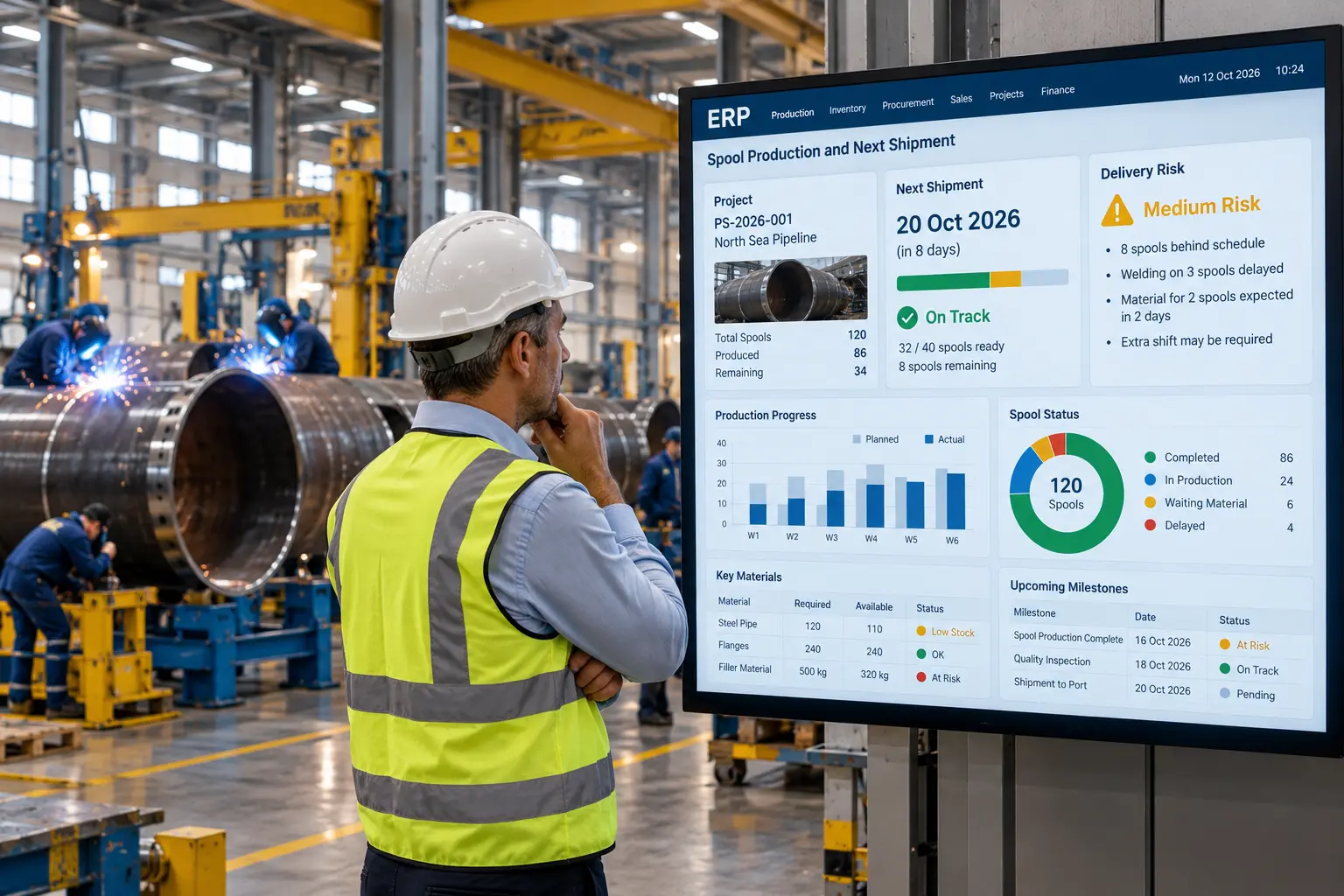
Almost everyone in business has heard of Business Intelligence (BI). Companies buy new software, dashboards show colourful charts, and managers say, “Now we can see everything.”
But how did companies make decisions before these tools existed?
Successful companies existed long before modern BI systems. Managers followed sales, costs and production, and used their experience to make decisions. Today, we can get more information much faster and compare data from different areas.
But one important question remains: Does more information always lead to better decisions?
Everyone Reached Their Target. So Why Is the Company Still Having Problems?
Imagine a monthly management meeting at a manufacturing company.
The sales manager says, “We reached our sales target.”
The production manager says, “We produced everything we planned.”
The purchasing manager says, “We bought materials at good prices.”
Everyone is happy. Then the finance manager says:
“We have more money tied up in stock. Some customer orders were late. We also need more cash.”
Suddenly, the meeting feels different.
Each department may have reached its own target. But is the company really doing well?
The problem is that departments often look only at their own results. Sales are important, but so are on-time delivery, healthy stock levels and collecting payments from customers.
This is where BI can help. It brings sales, production, stock and financial information together. Managers can see the whole picture, not just one department.
A successful department does not always mean a successful company.
Why Do We Prepare the Same Excel Report Every Month?
Here is another common situation.
Every month, the finance team downloads data from different systems. They combine Excel files, check the numbers and prepare reports for management. This takes several days. Next month, they do the same work again.
A manager might say, “Let’s buy a new BI system to solve this problem.”
But first, we should ask:
Can our existing system already do this?
The company’s ERP system may already have the reports and automation tools it needs. Perhaps these features are simply not being used well.
In that case, improving the current system could save both time and money.
Of course, some companies have more complex needs. They may need a separate BI tool to combine information from several systems and carry out deeper analysis.
The important point is simple: Understand what you already have before buying something new.
Are We Getting Value from Our BI Investment?
After installing a BI system, attractive dashboards are not enough. We should ask: What has improved in our daily work?
- If a report that took three days can now be ready in a few hours, that is a clear benefit.
- If managers can find excess stock earlier, the company may avoid unnecessary costs.
- If delivery problems are found before they become serious, the company may avoid losing customers.
These are real business benefits.
But software also has costs: licences, setup, training and maintenance. We need to compare these costs with the benefits.
The value of an investment is not how modern it looks. It is what it brings to the business.
Conclusion
Business Intelligence helps companies understand information more quickly and easily. But not every problem needs new software.
Sometimes a company really needs a strong BI system. Sometimes a small improvement in its existing ERP system is enough.
Before investing, managers should understand the problem, decide what they need and estimate the expected benefits.
Companies made smart decisions in the past, too. Today, we simply have more powerful tools.
Real success comes from knowing when, why and how to use them.
ERSSOFT Limited · ERP & JD Edwards Consulting
← Back to Insights